
Building a home in Spain as an international family means understanding a legal and professional framework quite different from what you’re used to: from the NIE and non-resident taxation, to a much broader role for the architect than exists in many other countries. This guide walks you through, step by step, everything you need to know before taking that first step
This guide is written specifically for international families—whether you are already living in Spain or considering moving to Barcelona suburbs from abroad—who want to understand what building or renovating a home in Catalonia actually involves. This Catalonia real estate guide addresses the needs of both:

You may have been living in Barcelona or the surrounding area for a few years and are now looking to build a custom home rather than renting or buying an existing property. While you understand the country broadly, you may not yet be familiar with the local architectural and planning processes.
You’re exploring Europe as a long-term destination — for lifestyle, education, or investment reasons — and want to learn how to build a house in Catalonia before taking a formal step.
Any real estate transaction in Spain requires the NIE (Foreigner Identification Number), a tax identification number for foreign nationals. You can obtain it through a Spanish consulate in your home country or directly in Spain. Without the NIE, you cannot buy land, sign contracts, or open a bank account in Spain.
When exploring buying property in Spain as a non-resident, you will be glad to know that non-residents can own property here without restrictions. You do not need residency status to buy land or commission a building project. However, non-residents are subject to different tax obligations—specifically the IRNR (Impuesto sobre la Renta de No Residentes), a non-resident income tax that applies to property ownership even if the property is not rented out.
Spain’s Golden Visa program, which historically granted residency rights in exchange for property investments above €500,000, was officially discontinued. If residency is a priority, alternative routes—such as the Non-Lucrative Visa or the Digital Nomad Visa—may be more relevant depending on your situation. We highly recommend consulting an immigration lawyer to explore your current options.
For clients based abroad, appointing a legal and tax representative in Spain is strongly recommended. They can manage administrative processes, sign documents on your behalf, and liaise with local authorities while you are not physically present.

There is no strict legal requirement to have one before buying land or property in Spain. In practice, however, most notaries prefer or require payments to originate from a Spanish account for transparency and anti-money laundering compliance. Using a local account also helps you avoid the higher fees and poor exchange rates associated with international transfers.
Furthermore, if you are financing part of the purchase with a mortgage, the bank will require you to open an account. A local bank account becomes practically essential once you own the property, as utilities, community fees, and local taxes are typically paid via direct debit.
Beyond how each country licenses its architects, what varies most from place to place is how much of the construction process actually remains in the architect’s hands. A good example is China: the design studio commissioned delivers a project whose scope depends on the contract, ranging from a concept design/schematic design to a technical design/design development— but in either case, the final technical documentation for construction and the on-site construction administration are handled by a Local Design Institute (LDI), which sees the project through to completion, always in collaboration with and under the review of the design studio.
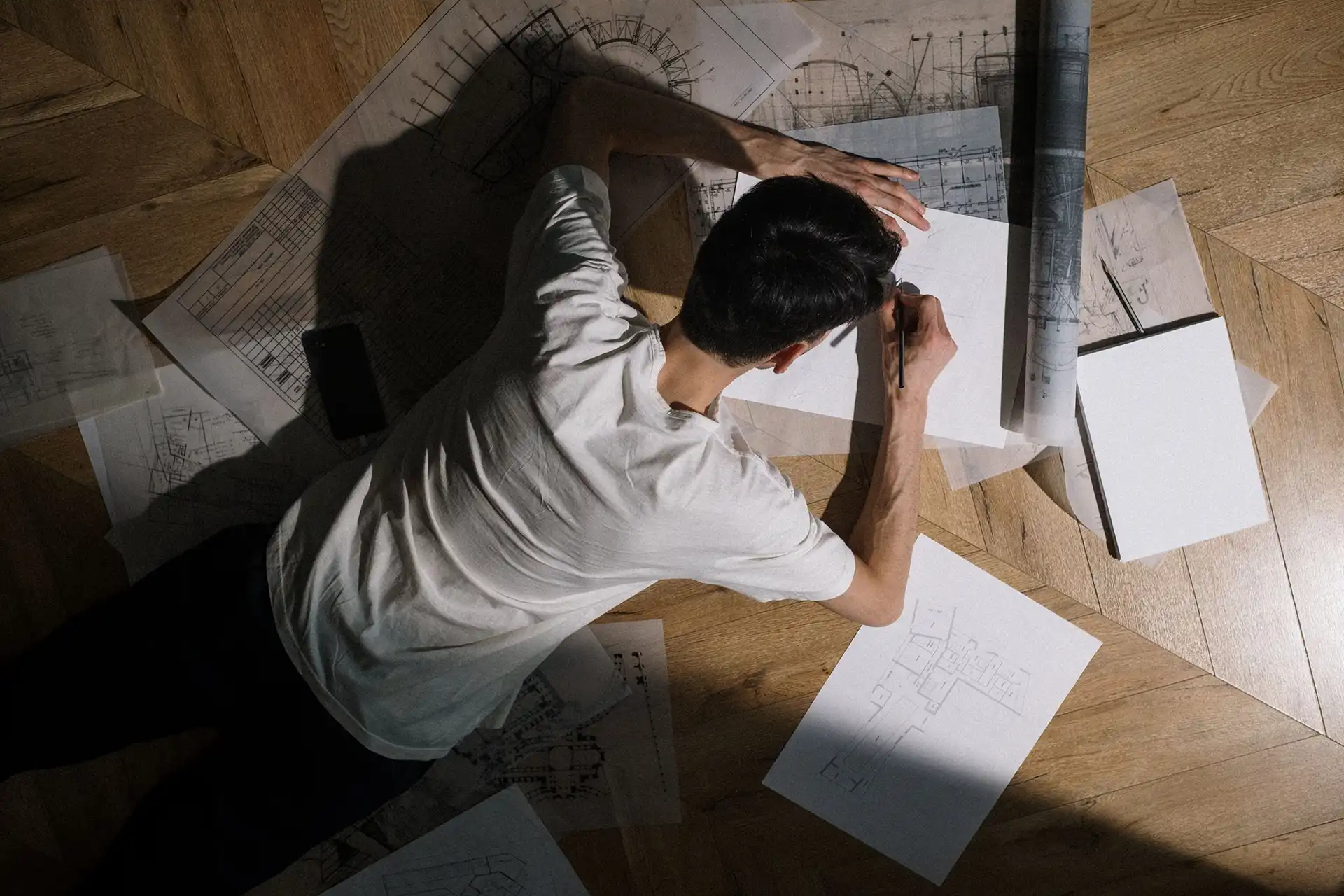
In Spain, the boundary barely exists. The same professional who designs the project also co-directs its execution on site, alongside a technical architect (aparejador), and both remain jointly liable — in some respects for up to ten years after handover. Italy and France follow a similar logic, though the exact division of site responsibilities shifts from one to the other. Move north, and the picture changes again: in Germany and the Netherlands, responsibility tends to spread across a wider set of specialized consultants and engineers, while in the UK how involved the architect stays on site depends largely on the procurement route and the terms of the appointment — not on any fixed professional convention.
What this tells us is that the real dividing line in Europe isn’t only who is allowed to call themselves an architect, but how much of the building’s life the architect is trusted — and legally bound — to see through. Spain sits at one end of that spectrum, closer to full accompaniment than to pure design authorship; China, in our experience, sits close to the other. Somewhere in between are systems like the British one, where the architect’s role is less a fixed identity and more a negotiated position within each individual project.
The architectural process follows six defined stages, from urban planning verification to obtaining the certificate of occupancy. We will soon publish an article providing a full breakdown of each stage, including realistic timelines and what to expect from your architect at every step.
Building permits are issued by the local council (ajuntament/ayuntamiento). In the Vallès Oriental and its surrounding areas, where our studio has the most experience, the municipal processing time alone typically takes between 3 and 9 months. In our experience, we have encountered highly efficient timelines where approvals are granted in around three months, but we have also navigated situations in busier municipalities where the processing time can take up to a full year. Legally, construction works cannot begin until the permit is officially granted.
We’ll soon be sharing an article on the different steps and phases to keep in mind.
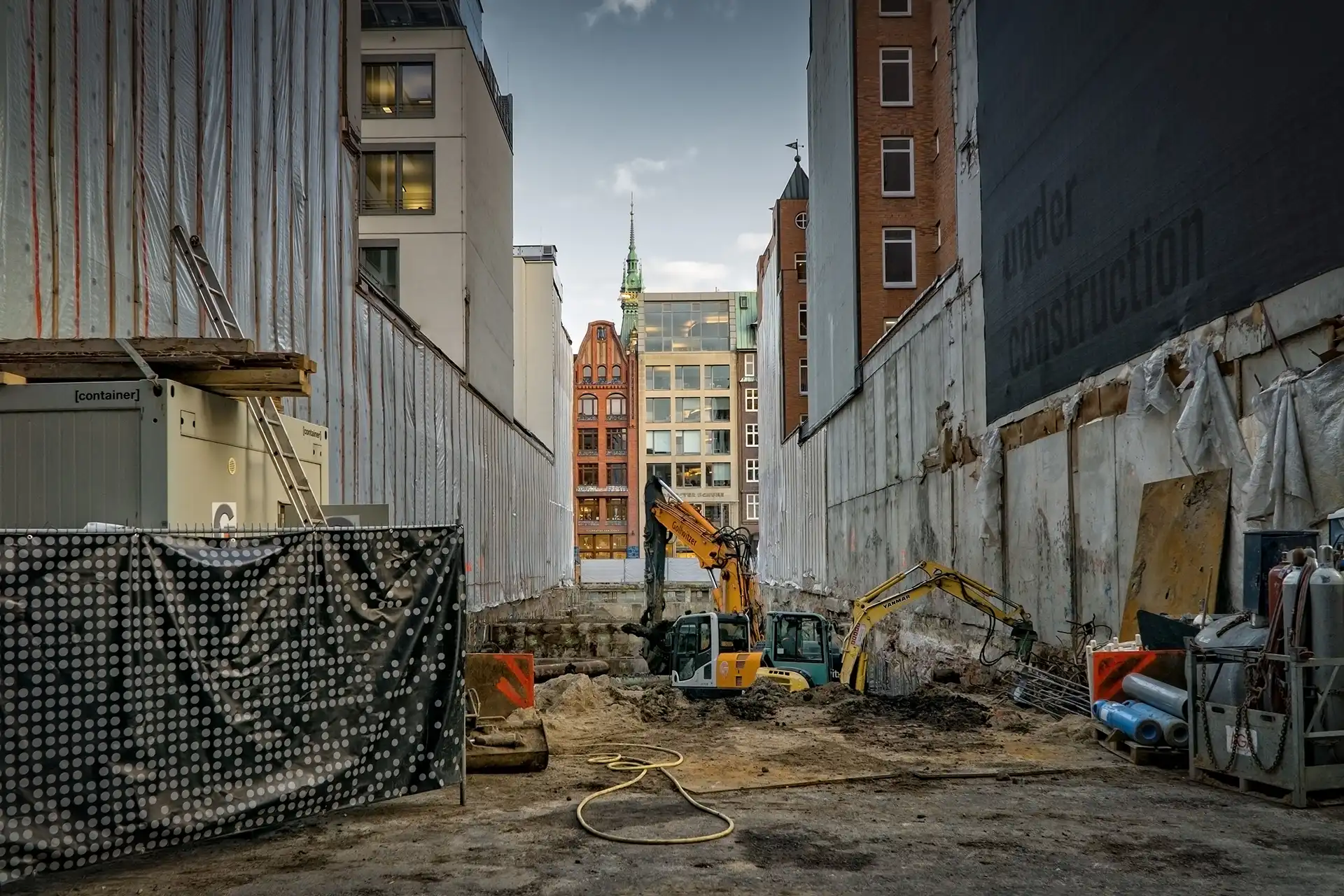
Beyond the core construction costs, a realistic budget must account for other items, such as architect fees, the municipal building permit tax (ICIO), VAT (IVA), and notary and land registry fees required to purchase the plot and register the completed building. Each of these expenses varies based on the size and complexity of the project. This is why we work through a comprehensive, transparent cost estimate with every family before any formal commitment is made.
In upcoming articles, we will share a breakdown of all the different cost items to plan for.
One specific cost applies exclusively to non-resident families and is easy to overlook: the IRNR non-resident tax Spain property owners must pay. This is an annual non-resident income tax on property ownership that applies even if you never rent the property out.
Non-resident owners are taxed on Spanish-sourced assets at a flat rate. EU/EEA residents are taxed at 19% and can deduct property-related expenses (such as local IBI property tax, community fees, insurance, or mortgage interest). Residents from outside the EU/EEA are taxed at a flat rate of 24%, generally without the ability to claim deductions.
Because the property is kept for personal use, the Spanish Tax Office (Hacienda) calculates a notional “imputed income”—typically between 1.1% and 2% of the property’s cadastral value (Valor Catastral)—and taxes it at the rates mentioned above. Owners must file Form 210 annually to settle this. Filing this form requires a Spanish tax ID (a NIF, passport numbers are not sufficient), and non-EU/EEA owners may need to appoint a local fiscal representative. Missing the filing deadline can trigger financial penalties, even though no actual rental income was earned.

As mentioned above, appointing a legal and tax representative in Spain is strongly recommended. They can manage administrative processes, sign documents on your behalf, and liaise with local authorities while you are not physically present.
Under Spanish law, official contracts and legal procedures must be conducted in Spanish. If you’re not a native Spanish speaker, it’s worth arranging a certified translation before signing anything, so you fully understand what you’re agreeing to.
Separately, you may also need documents from your home country to be legally recognized in Spain — a birth certificate or marriage certificate, for example. For this, you’ll need what’s called in Spain a traducción jurada (sworn translation): a translation with full legal validity before any Spanish administration, court, notary, university, or civil registry. It can only be carried out by a Traductor-Intérprete Jurado, a sworn translator officially appointed by Spain’s Ministry of Foreign Affairs (MAEC).
For international families planning a move to Spain, the search for the perfect location often leads straight to Barcelona. However, the true hidden gems of the region lie just outside the city limits. Settle in the thriving communities surrounding the Catalan capital, and you will unlock an exceptional lifestyle that masterfully balances cosmopolitan energy with peaceful suburban living. It is a region designed for families who want the cultural richness of a global city, paired with the space, nature, and community needed to truly feel at home.
For international families, the surrounding areas of Barcelona offer something the city center cannot: space, nature, and a peaceful environment without sacrificing urban proximity. Towns across the metropolitan region—from the coastal Maresme range to the inland valleys—are exceptionally well-connected to Barcelona by a reliable train network. These suburban areas offer top-tier international schools, larger homes with private gardens, and a family-oriented quality of life that is difficult to find within the dense city center at a comparable price.
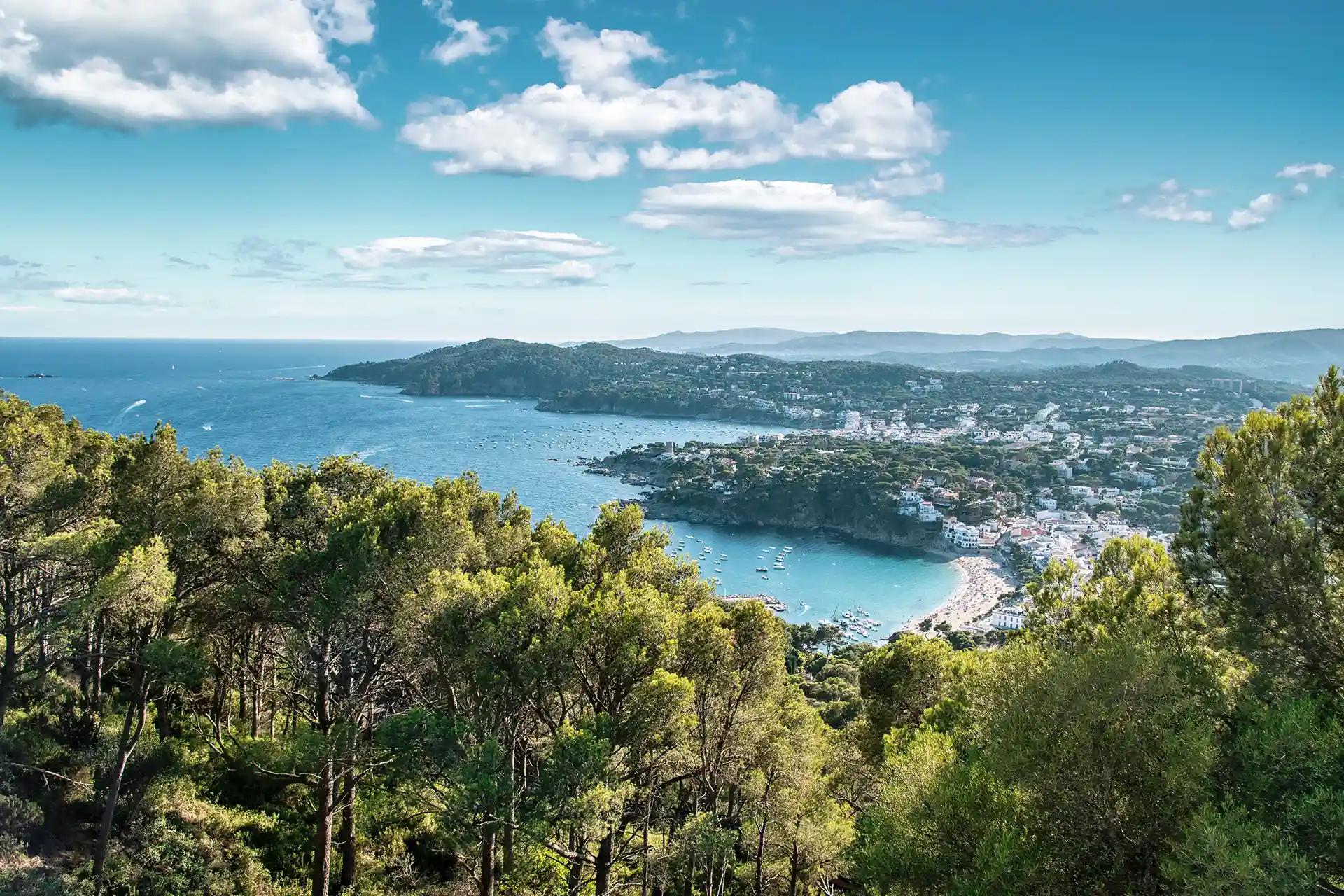
Few regions in Europe offer such a stunning geographical range within a short drive. The dramatic rocky coves of the Costa Brava sit just north of Barcelona, while the wide, sandy beaches of the Costa Daurada stretch to the south. Inland, the majestic Pyrenees rise up for families seeking high-mountain scenery, hiking, and skiing. A modern, well-maintained highway network—including the AP-7, A-2, C-32 and C-17—seamlessly connects the coast, the mountains, and the city, putting all of Catalonia within easy reach.
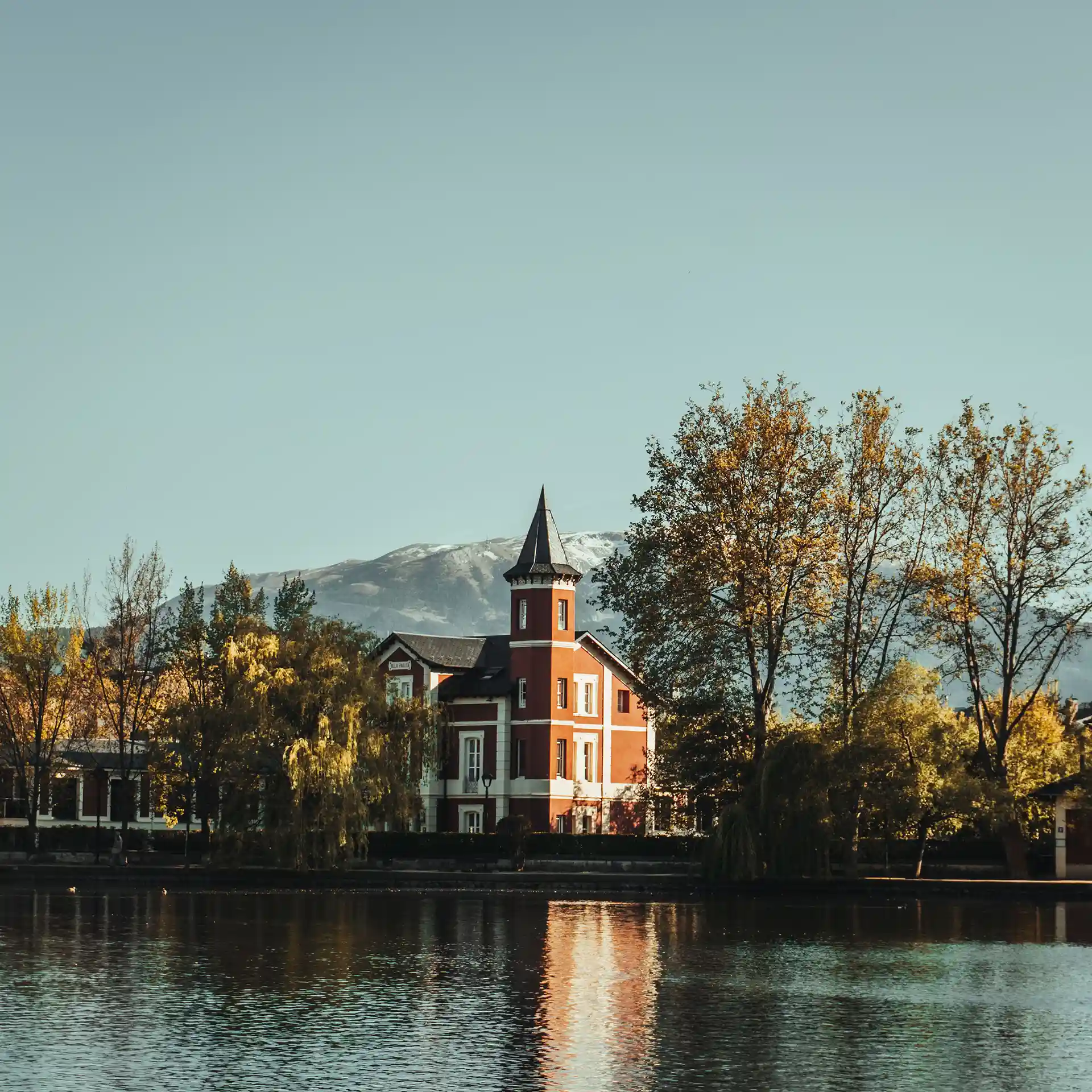
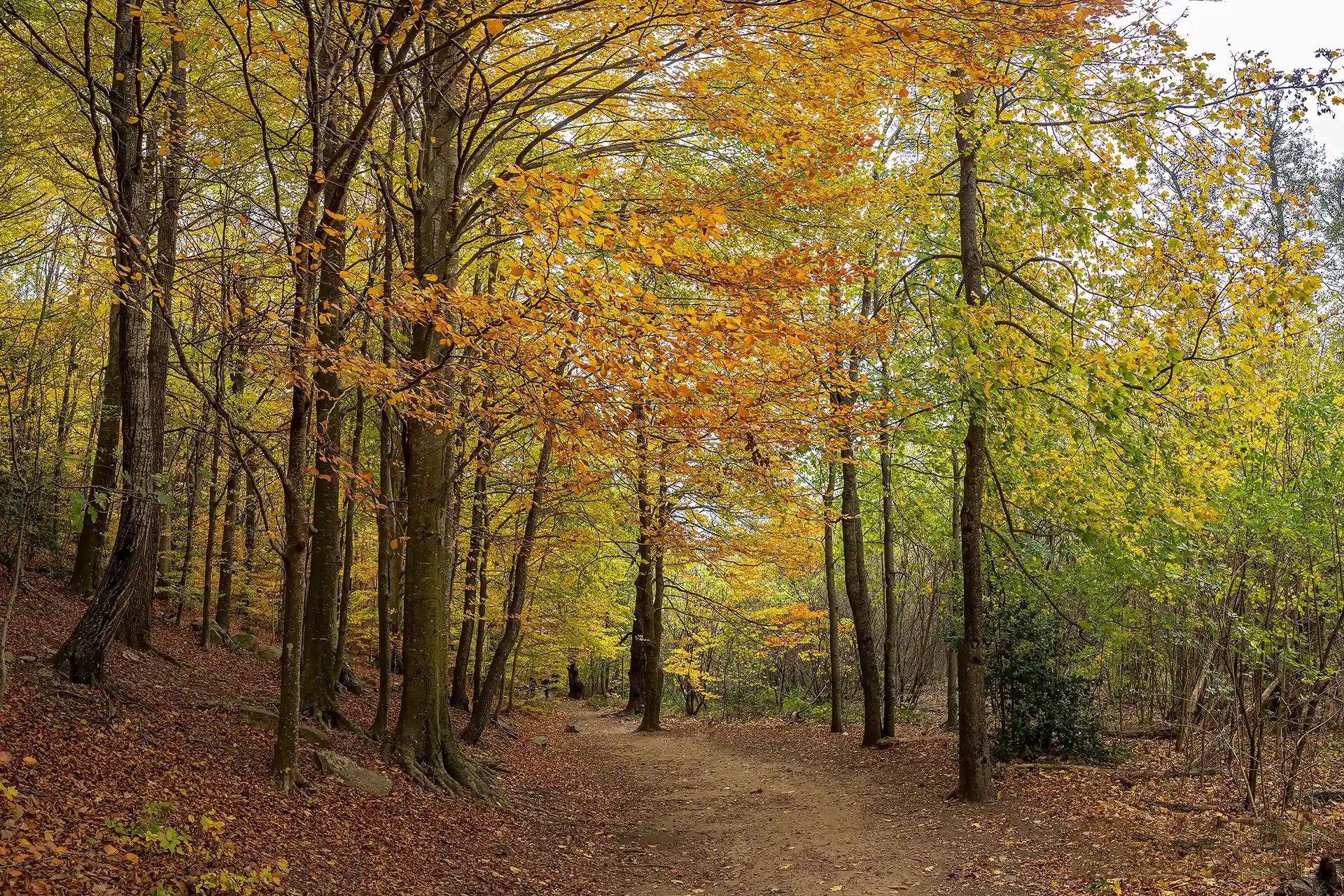
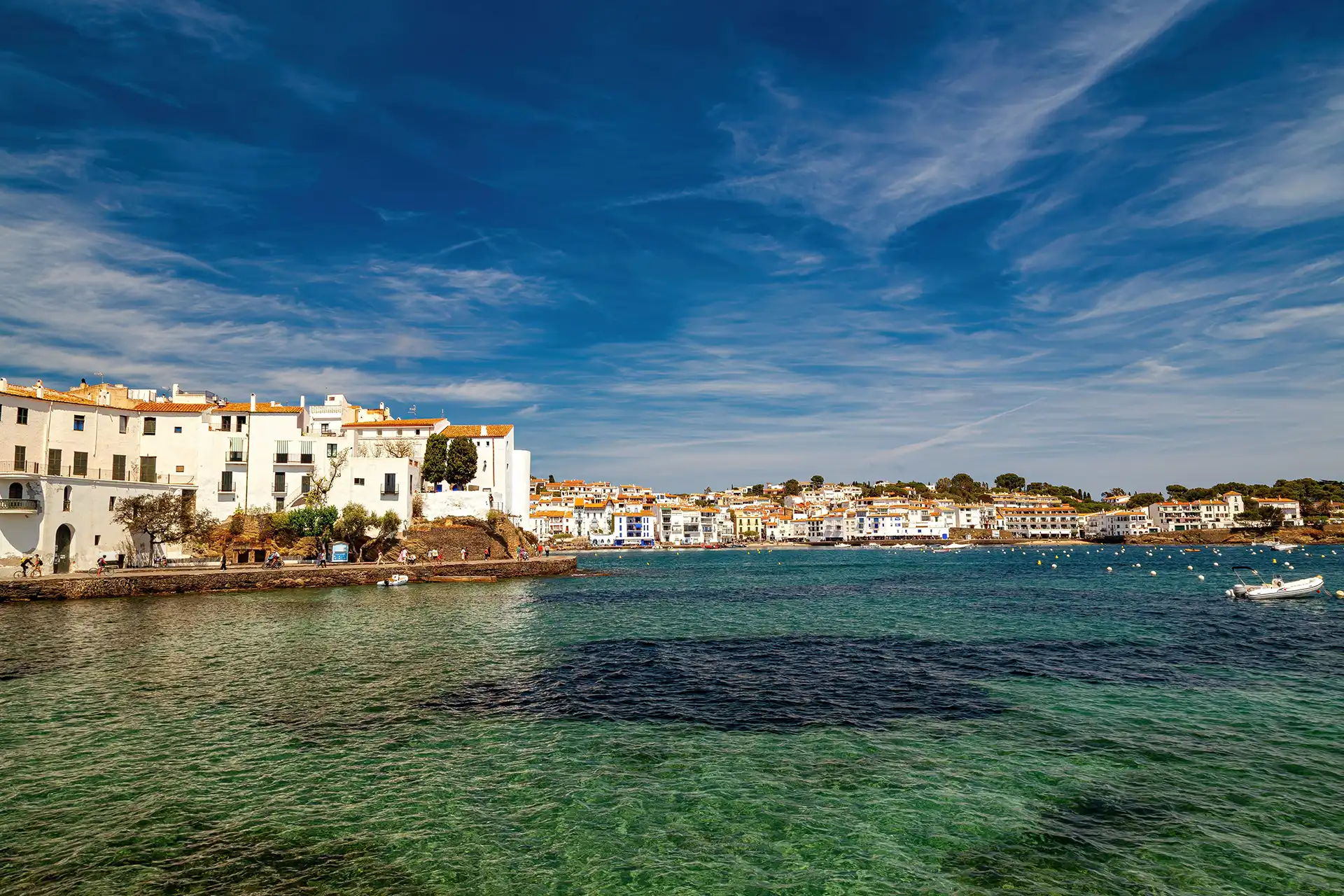
Catalonia is highly accustomed to welcoming expats from all corners of the globe. Choosing to settle in the areas surrounding Barcelona means joining a vibrant, diverse, and well-established international community. Families relocating here quickly find a supportive network of global professionals, multilingual services, and a culture that seamlessly blends Mediterranean tradition with a modern, cosmopolitan lifestyle.
No. While permits and official documents are processed in Spanish or Catalan, your architect can manage all communication with authorities, contractors, and suppliers on your behalf.
Yes. Non-resident individuals and international families have the legal right to purchase plots of land and construct or renovate residential properties in Spain. While you do not need a residency visa to own property, you must obtain a Spanish tax identification number (NIE) before signing any contracts or purchasing land.
Building permit timelines vary considerably by municipality (ajuntament). In the suburban areas surrounding Barcelona, such as the Vallès Oriental, municipal processing times typically range from 3 to 9 months. Highly efficient councils can issue permits in about three months, while busier areas can take up to a full year. Legally, no construction work can begin on-site until the permit is officially granted.
This varies by project complexity and plot conditions, but we are writing a construction process guide breaking down realistic timelines stage by stage.
Construction and architect fees are the same regardless of nationality. The difference is tax exposure — specifically the IRNR — which is worth factoring into your budget from the start.
The IRNR (Impuesto sobre la Renta de No Residentes) is a flat-rate annual tax applied to non-resident property owners in Spain. Even if your property is kept strictly for personal use and never rented out, the Spanish Tax Office (Hacienda) taxes a calculated “imputed income” based on the property’s cadastral value (Valor Catastral). The tax rate is 19% for EU/EEA citizens and 24% for residents of countries outside the EU/EEA.
Yes. Unlike in many international markets—such as Mainland China, where design firms hand projects off to execution institutes—the architectural process in Spain is fully integrated. Your architect designs the building, secures the permits, and acts as the Director de Obra on-site. Together with a technical architect (Aparejador), they supervise the contractors and carry a legally binding, 10-year statutory liability for the building’s structural safety.